Navigate Massachusetts Cannabis Laws with Confidence
Cannabis Laws, Legal Purchase, Massachusetts
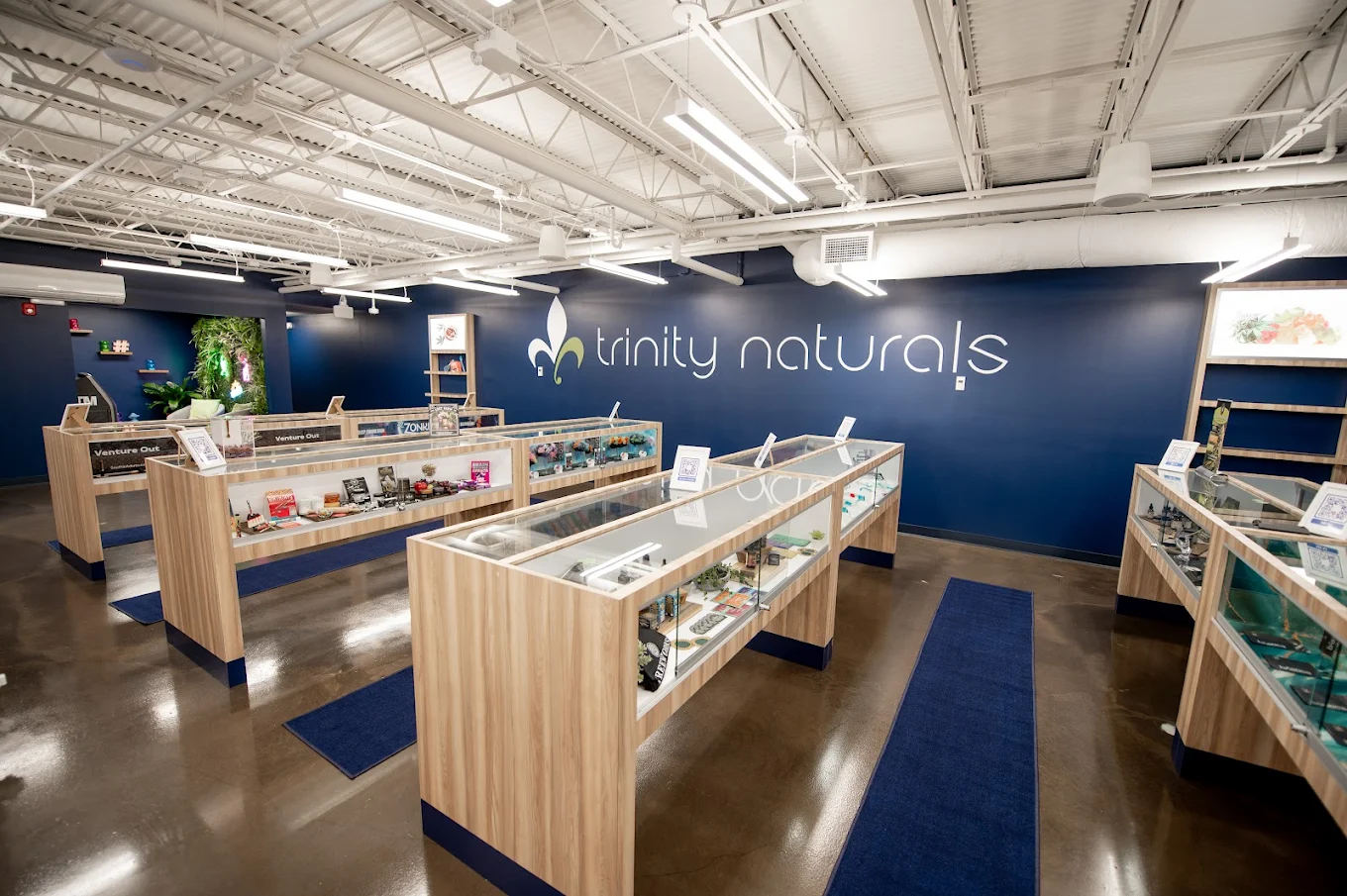
Trinity Naturals: Navigating Legal Cannabis in Massachusetts with Confidence
Understanding cannabis laws, purchase rules, and licensed dispensaries in Massachusetts helps adults shop confidently and stay compliant—Trinity Naturals in Chelsea offers a clear example of how legal cannabis retail works in practice.
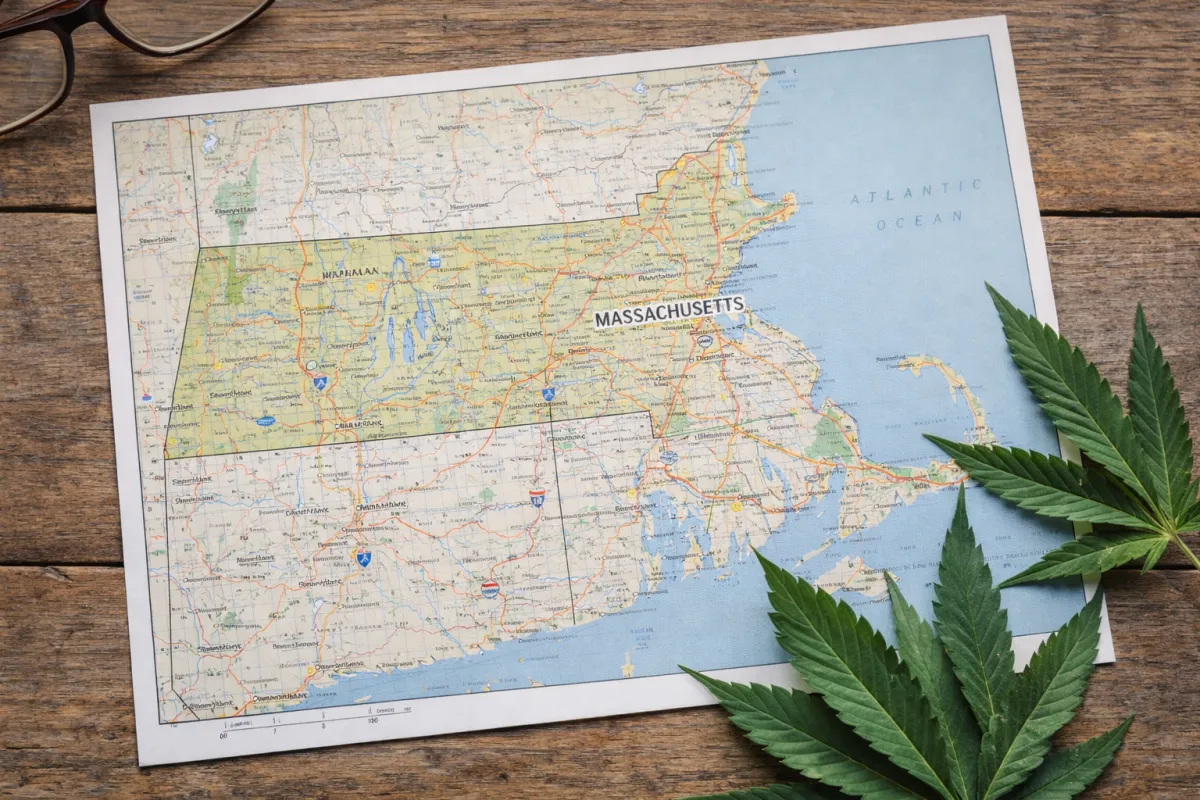
Massachusetts was one of the first states in the Northeast to legalize adult-use cannabis, and the legal landscape here is both consumer-friendly and clearly defined. But "legal cannabis" doesn't mean anything goes — and understanding the rules isn't just about staying out of trouble. It's about feeling genuinely confident as you make choices about cannabis in your life.
Whether you're a Massachusetts resident, a visitor to the Boston area, or simply someone who wants to understand what you're working with before your first dispensary visit, this guide covers the most important things to know about cannabis law in the Commonwealth.
Is it Legal? The Short Version: Yes, It's Legal
Cannabis Laws in Massachusetts: What Adults Need to Know
In November 2016, Massachusetts voters passed Question 4, legalizing the adult use of cannabis for anyone 21 years of age or older. The law went into effect in December 2016, and licensed adult-use dispensaries began opening in 2018 following the establishment of the Cannabis Control Commission (CCC), the state body that regulates the industry.
Since then, Massachusetts has built one of the most robust and consumer-protective regulated cannabis markets in the country. Every product sold at a licensed dispensary is laboratory tested. Every dispensary is inspected and licensed. And consumers have clear, codified rights.
Who Can Legally Buy and Possess Cannabis?
To legally purchase cannabis from a licensed dispensary in Massachusetts, you must:
•Be 21 years of age or older.
•Present a valid government-issued photo ID (driver's license, state ID, passport).
•Make your purchase at a licensed, state-registered dispensary.
There is no residency requirement — you do not have to be a Massachusetts resident to purchase cannabis here. Visitors from other states, or even from countries where cannabis is not legal, can legally purchase and consume cannabis in Massachusetts as long as they are 21 or older.
How Much Can You Purchase and Possess?
Massachusetts law sets clear limits on how much cannabis an adult can purchase and possess:
Purchase Limits (Per Transaction)
•1 ounce of cannabis flower, OR
•5 grams of cannabis concentrate, OR
•500 milligrams of THC in cannabis products (edibles, tinctures, etc.), OR
•Any combination of the above that doesn't exceed the equivalent of 1 ounce of flower.
This is a per-transaction limit, not a daily limit. You can make multiple purchases in a day, but each individual transaction is subject to these limits. Most casual consumers won't come close to these limits on a typical visit.
Possession Limits
•In public: You may possess up to 1 ounce of cannabis flower (or equivalent) on your person.
•In a private residence: You may possess up to 10 ounces of cannabis, plus any amount you have legally cultivated at home.
Possessing more than the legal limit can result in civil or criminal penalties depending on the amount. Staying within the limits is simple: buy only what you need for your personal use.
Where Can You Consume Cannabis?
This is where many consumers — even experienced ones — run into confusion. Legal purchase does not mean you can consume cannabis anywhere. Massachusetts has specific rules about where consumption is and is not permitted.
Where You CAN Consume
•Private residences. Your home is generally the most straightforward legal consumption location.
•Private property with the property owner's permission. If you're renting, your landlord or building management may prohibit cannabis consumption — check your lease.
•Licensed cannabis consumption lounges. Massachusetts has provisions for licensed social consumption establishments, though these are still limited in number.
Where You CANNOT Consume
•In public spaces, including parks, sidewalks, streets, beaches, and parking lots.
•In vehicles, whether moving or parked. This includes as a passenger.
•On federal property, including federal parks, buildings, and anything governed by federal law.
•In workplaces, unless specifically designated as a consumption-allowed space by your employer.
•In schools, childcare facilities, or correctional facilities.
Consuming cannabis in prohibited spaces is subject to a civil fine of up to $100 per offense. While this is relatively minor, it's worth understanding that public consumption remains illegal and can attract attention from law enforcement.
Cannabis and Driving: Know the Rules
Driving under the influence of cannabis is illegal in Massachusetts — full stop. Cannabis impairment affects reaction time, spatial perception, and decision-making in ways that make driving genuinely dangerous, and law enforcement takes this seriously.
Massachusetts uses a variety of methods to detect cannabis impairment, including standardized field sobriety tests and drug recognition expert evaluation. There is currently no breathalyzer equivalent for cannabis, and blood THC levels are not the only standard used to assess impairment.
It is also illegal to have open cannabis in a vehicle — even if you're not consuming it. Any cannabis you transport in a car should be in a sealed, closed container and stored in a location that's not accessible to the driver, such as the trunk.
The bottom line: If you've consumed cannabis recently, do not drive. Plan ahead — designate a driver, use a rideshare, or wait until you're confident the effects have fully subsided.
Home Cultivation: Yes, You Can Grow Your Own
Massachusetts law permits adults 21 and older to cultivate cannabis at home for personal use. The rules are:
•Up to 6 plants per person, per household.
•Up to 12 plants per household (regardless of how many adults live there).
•Home cultivation must not be visible from a public space.
•Home-grown cannabis cannot be sold.
Home cultivation is a wonderful option for people who want a more intimate relationship with the plant, but it does come with a learning curve. If you're interested in starting your own grow, the team at Trinity Naturals can point you toward resources and answer basic questions.
Cannabis and the Workplace
Massachusetts law does not require employers to permit cannabis use, and many workplaces — particularly those with federal contracts or safety-sensitive positions — maintain strict no-cannabis policies regardless of state law.
Employers can still require drug testing and can discipline or terminate employees who test positive for cannabis in violation of company policy, even if the use occurred outside of work hours. If you're in a field or position where drug testing is a factor, it's worth understanding that cannabis metabolites can remain detectable in urine for days to weeks after use, even after any psychoactive effects have subsided.
This is an area where state law and practical workplace reality don't always align — so it's worth being informed about your specific situation.
What About Cannabis from Other States?
Cannabis purchased legally in Massachusetts cannot be transported across state lines. Even if you're traveling to another state where cannabis is legal, crossing state borders with cannabis is a federal offense — because those crossings are governed by federal law, which does not recognize state cannabis legalization.
This also means that cannabis purchased in another state cannot legally be brought into Massachusetts. Always buy locally from licensed dispensaries to stay within both state and federal guidelines.
The Cannabis Control Commission: Your Consumer Watchdog
The Massachusetts Cannabis Control Commission (CCC) is the state agency responsible for regulating every aspect of the cannabis industry in the Commonwealth. They license dispensaries, set product testing standards, oversee compliance, and respond to consumer complaints.
If you ever have a concern about a product, a dispensary, or an experience, the CCC is the body to contact. Licensed dispensaries like Trinity Naturals operate under their oversight, which is a significant consumer protection.
A Note on Local Regulations
Individual municipalities in Massachusetts can restrict where dispensaries operate within their borders, and some communities have opted out of allowing dispensaries entirely. Chelsea has welcomed the legal cannabis industry, which is why Trinity Naturals is able to serve the Chelsea community — along with residents of East Boston, Everett, Revere, Charlestown, and the broader Greater Boston area.
Have questions about Massachusetts cannabis law? Trinity Naturals' team is happy to walk you through what's relevant for your situation — without the legal jargon. Visit us at 270 2nd Street in Chelsea, MA, or explore the Trinity Cannabis Community Portal, where members can discuss cannabis law questions, share experiences, and access resources from our education library. Knowledge is protection. Come in and get it.
The legal cannabis landscape in Massachusetts is genuinely consumer-friendly — built around the idea that adults can make informed decisions about their own consumption. Understanding the rules doesn't dampen the experience; it makes it better. You can engage with cannabis freely, legally, and confidently when you know exactly where the lines are.
Stay curious, stay legal, and enjoy what Massachusetts has built here.(masscannabiscontrol.com).
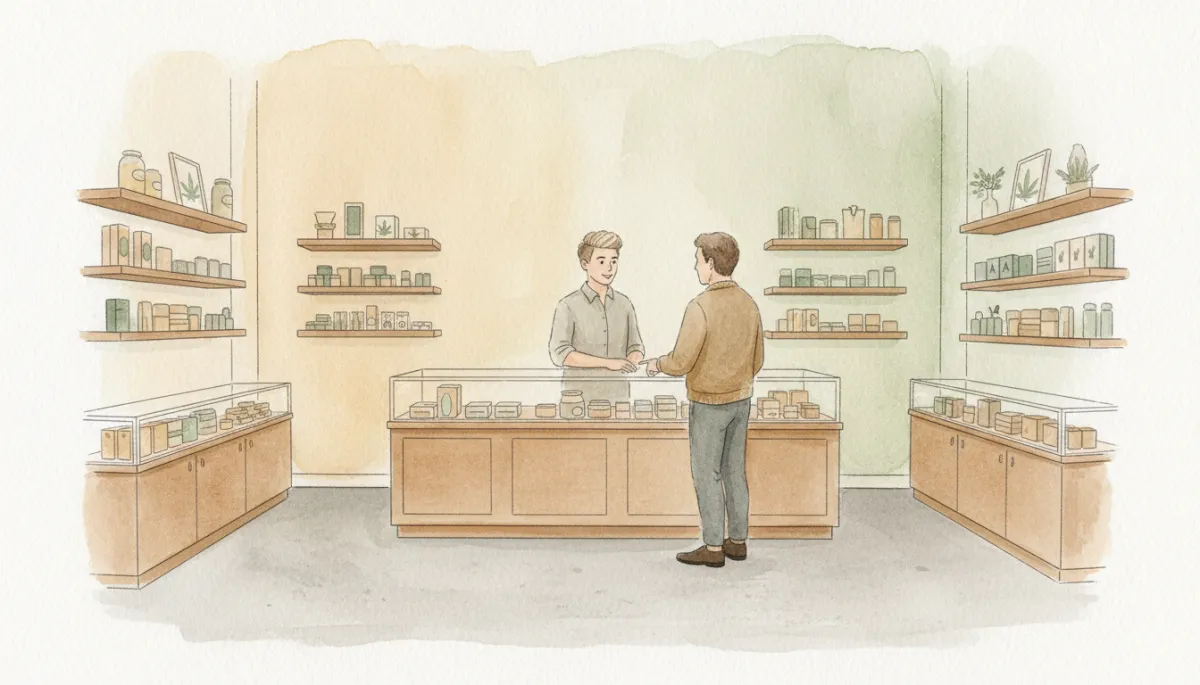
Licensed dispensaries guide adults through product choices while enforcing Massachusetts cannabis regulations.
Staying Informed as Massachusetts Cannabis Laws Evolve
Massachusetts continues to refine its cannabis framework—recent regulatory updates address social consumption venues, product safety, and reporting requirements, while a 2026 ballot initiative seeks to repeal adult-use sales and keep only medical access in place starting in 2028 if approved (cannabisbusinesstimes.com). For consumers, this means the rules around where and how you can legally purchase and use cannabis may change over time.
Before you visit Trinity Naturals—or any Massachusetts dispensary—review current guidance from the Cannabis Control Commission and official state resources. By understanding cannabis laws, following legal purchase rules, and choosing licensed retailers, adults in Massachusetts can participate in the regulated market responsibly, while supporting a system designed to prioritize safety, transparency, and public health.